
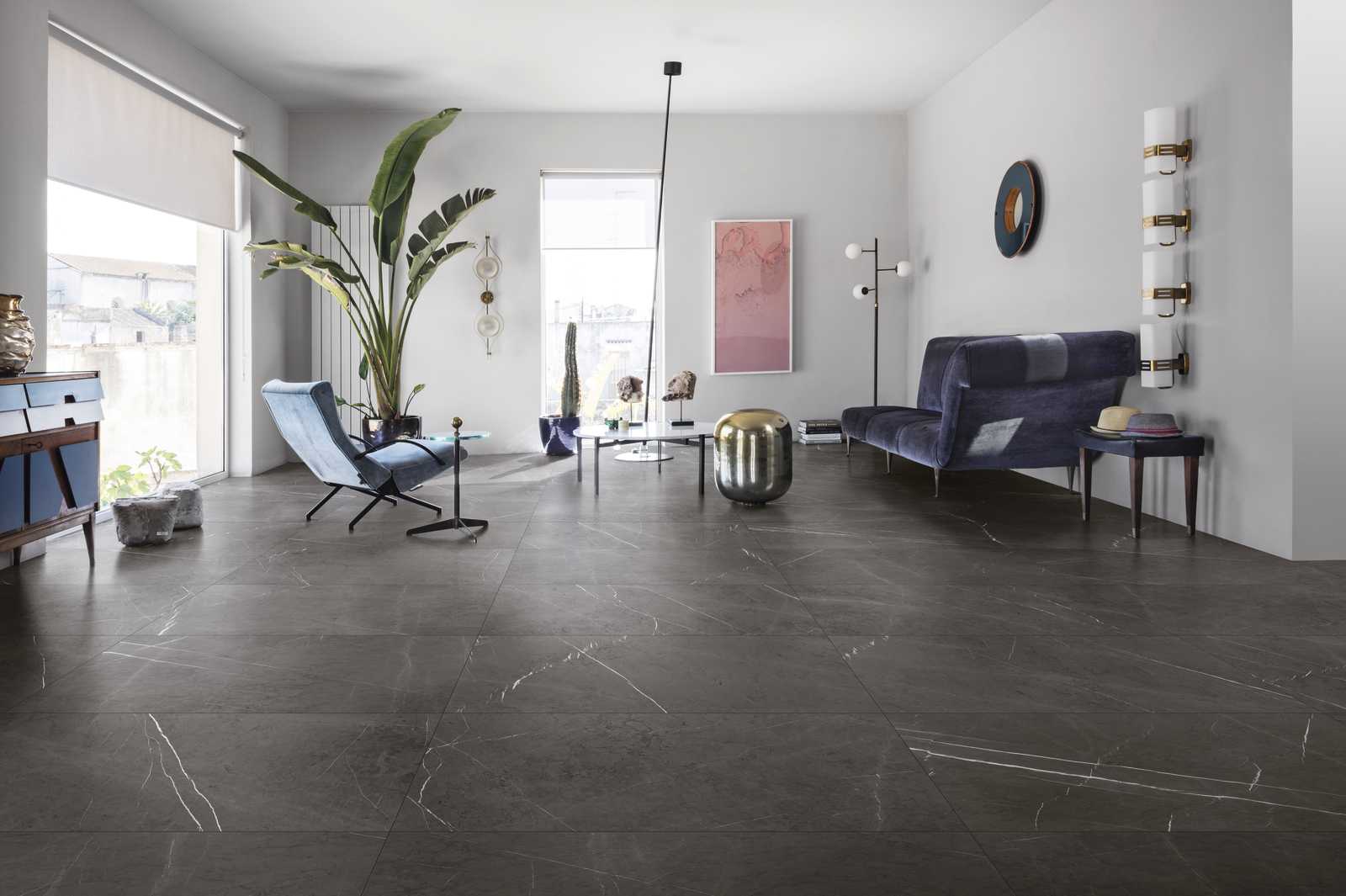
Travertine-look · Timber-look · Warm Stone · Terracotta
Dining room tiles.
Less traffic than the kitchen, more character than the living room — the dining room is the tile brief that rewards warmth, texture and a long grout life over hard-wearing minimalism.
Travertine-look
19 styles
Warm, textural porcelain with the character of natural travertine and none of the sealing.

Paris Travertine Look Romano
Fabula Travertino Cross Bianco Naturale
Fabula Travertino Cross Beige Naturale

Travertino Romano

Travertino Reale

Travertino Argento
Travertino Dorato
Travertino Dorato

Argento Grey Travertine Look Semi Pol
Argento Grey Travertine Look Semi Pol

Eco Reverso Travertino White Cristal

Paris Travertine Look White Soft
Timber-look
16 styles
Long-plank tile for the warmth of timber underfoot with tile-grade durability.

Dassel Medium Oak Rectified Groove

Dassel Dark Walnut Rectified Groove

Dassel Kie Oak Rect Bamboo

Timber-Land Charcoal
Scotia Gs Golden Oak 2400X30X15Mm
Stair Nose Prem Gs Golden Oak 1500X163X30Mm
Spc T-Trim Gs Golden Oak 2400X45X6Mm

Bellver Oak Matt
Spc C-Trim 2.0 Golden Oak 2400X45X7Mm
Spc T-Trim 2.0 Golden Oak 2400X45X7Mm

Timber-Land White

Timber-Land Med Grey
Large format warm neutral
216 styles
600×1200 and 800×1600 tile in warm sand, oat and clay tones.

Coem English Stone Ivory

Supergres H24 Ivory Cement

Coem English Stone Greige

Slow Dash 3D Pomice

Calacatta Grey

River Limestone Light Grey Veincut

Terre Irregolo Strideup Bianco

Shine Bianco

Cashmere Snow Ice 01

Supreme Ivory

Vatican Beige Riga Decvein

Limestone Riga Beige Matt Line
Terracotta
30 styles
Earthy, hand-finished terracotta for grounded, characterful dining floors.

Terre Mini Strideup Irregolo Cotto

Terre Irregolo Strideup Cotto

Cotto White Sand

Terre Clay Bianco Strideup
Cotto White Sand

Cotto Charcoal
Cotto Charcoal

Terre Clay Canapa Strideup
Choosing dining room tiles
Less traffic, more formal use. A dining room sees fewer daily footsteps than the kitchen or hallway, but the use is harder in different ways — chairs dragging, heels on hard flooring at dinners, the occasional dropped wine glass. PEI 3 is the technical minimum; PEI 4 is the safer choice and adds little to the unit cost.
Continuity with the kitchen. Most modern Australian homes are open-plan with the dining zone reading directly off the kitchen. Running the same tile through both spaces creates visual flow. If you break the tile, do it on a clear architectural line — a doorway threshold or a change in ceiling height, not mid-floor.
Warm tile suits a dining room. Terracotta, travertine-look, warm stone-look and timber-look all read beautifully in a dining setting. The room is where people sit longest and look most carefully — organic warmth and visible texture earn their place here.
Style & ordering
Rugs over tile. A rug under a dining table is the most practical layered finish in the house. It protects the tile from chair drag, adds acoustic softness, and lets you specify a more characterful tile knowing the high-wear zone is covered. Choose a low-pile flat-weave that allows chairs to slide.
Ordering for a dining room. Measure the full footprint including the area under the table when fully extended and chairs pushed back. Add 10% wastage. For pattern-laid or large-format tiles, ask for a batch number on your invoice so a future top-up matches.
Underfloor heating. Porcelain is ideal for in-slab heating — it conducts radiant heat evenly and holds it well. Combine with a large area rug for the best of both worlds. Talk to us →
Dining room tile questions
What PEI rating for a dining room floor?
PEI 3 minimum, PEI 4 recommended. The difference in cost is negligible; the protection from chair drag is significant.
Should dining and kitchen tiles match?
Yes in open plan — run the same tile for visual flow. Break on a clear architectural line if you want contrast.
Can I use terracotta in a dining room?
Yes — low traffic, dry, warm. Use sealed or terracotta-look porcelain to avoid maintenance.
Do I need a rug over dining room tiles?
Not required, but highly recommended. Protects from chair drag, softens acoustics, lets you use a bolder tile underneath.
Continuing into the living room?
Living room tiles →